From scattered screens to one studio for hotel performance.
Designing Performance Studio with Sabre and Google: a hotel booking analytics dashboard built on Looker and BigQuery, and designed in Katana, Sabre’s newest design system.
- Client
- Sabre · Google
- Product
- Performance Studio
- My role
- Head of Design
- Scope
- Product design, Katana adoption, custom Looker experiences
- Platform
- Google Looker & BigQuery
The challenge
Hotel booking performance was spread across several screens, so travel professionals spent their time retrieving numbers and visuals instead of acting on them.
The mandate
One dashboard that drives adoption and retention through customizable tiles — built on Looker and BigQuery, in Sabre’s newest design system, Katana.
The outcome
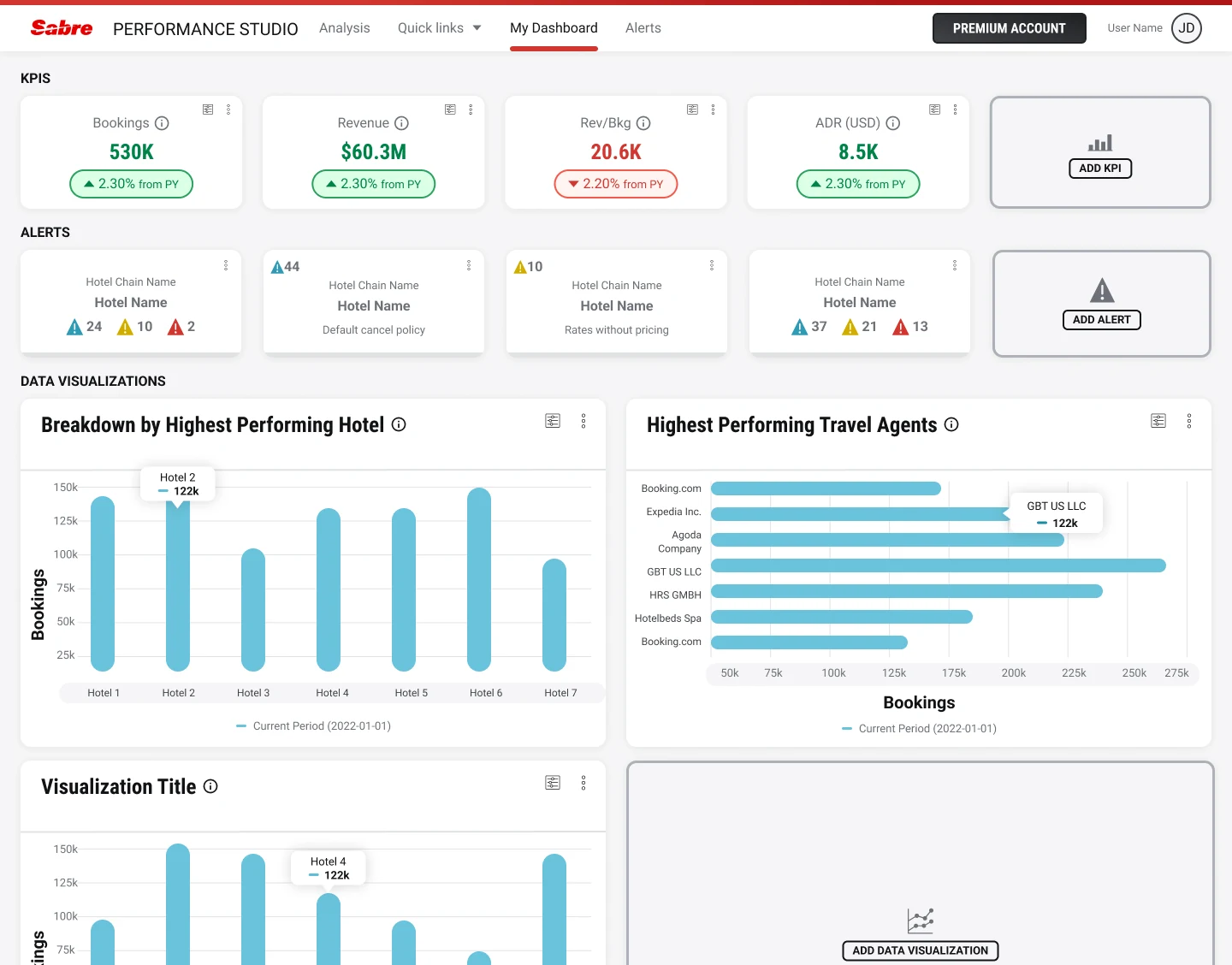
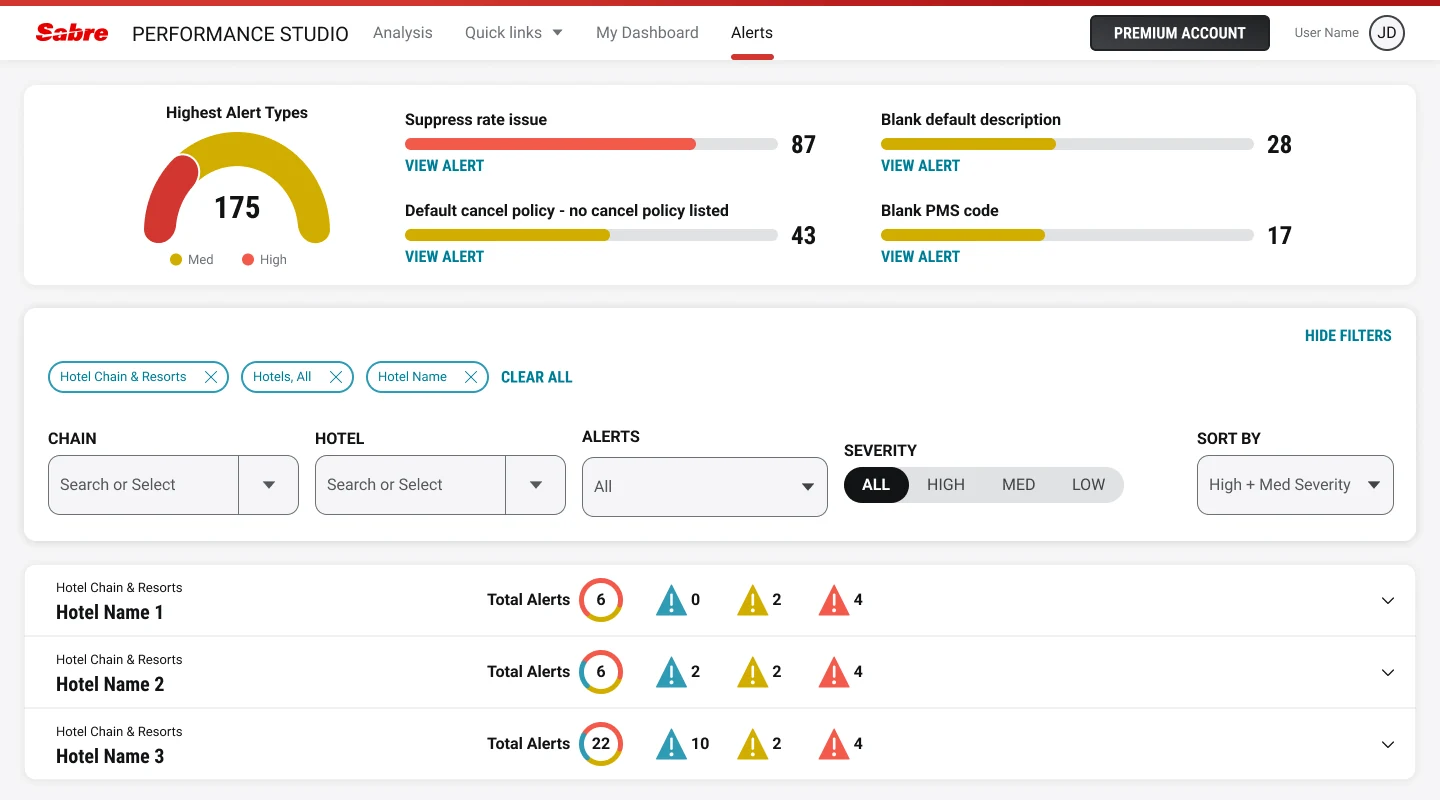
A single-viewport studio: a role-based snapshot, consolidated alerts and nine analysis pages, with controls hidden until they’re needed.
01
Context
Sabre is a software and technology company at the forefront of the global travel industry. To extend its suite of products, Sabre partnered with Appnovation on a dashboard tailored to travel professionals: a new way to analyse and understand the performance of hotel booking data.
Working alongside Google, we built the experience on Looker, with BigQuery underneath, and designed it in Katana — Sabre’s newest design system — so it would sit naturally beside the rest of Sabre’s newest products.
02
Key decisions
Adopt Katana from day one
The call
Design every screen in Katana, Sabre’s newest design system, and extend it with local components wherever the dashboard needed something new.
The detail
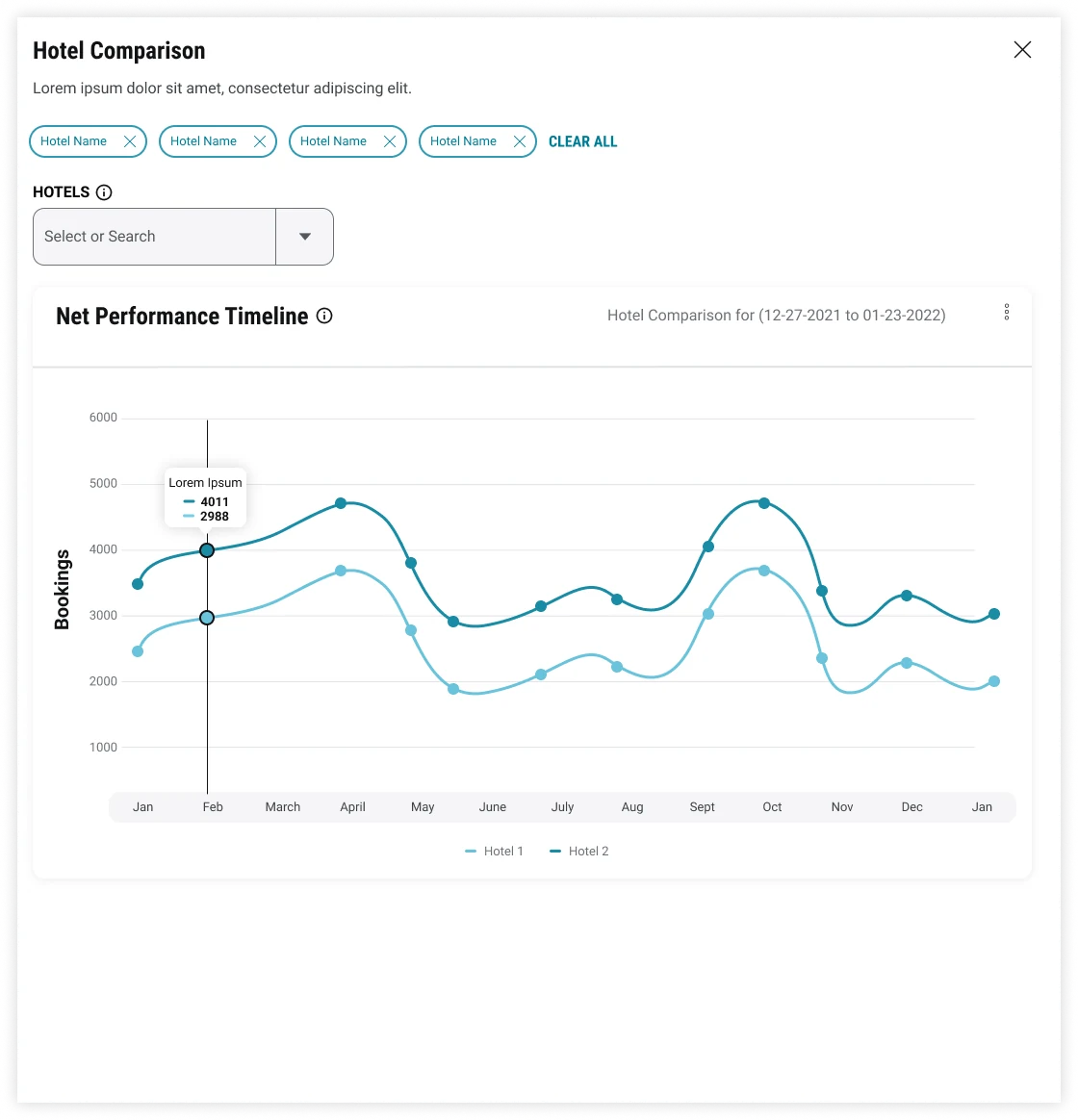
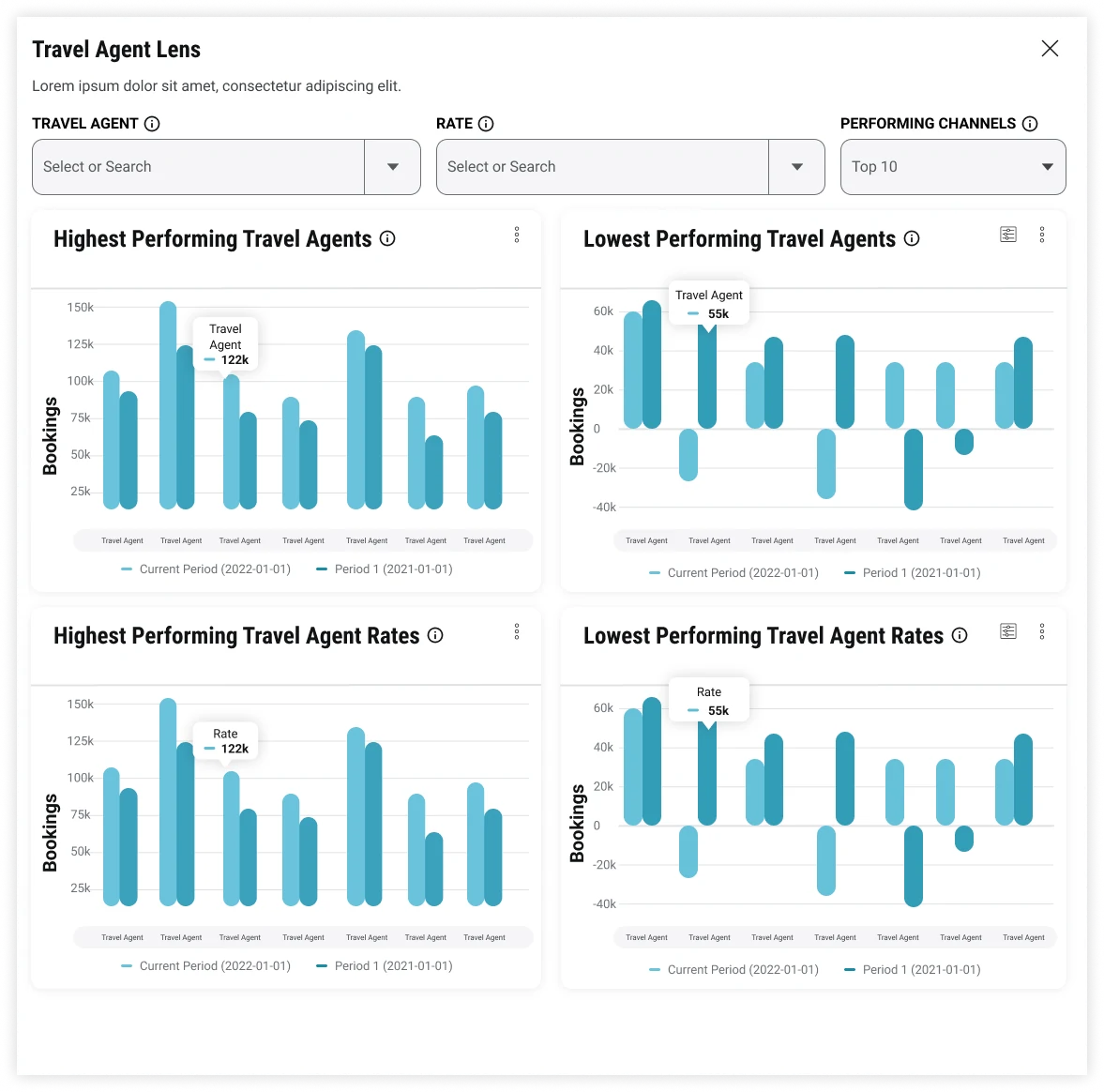
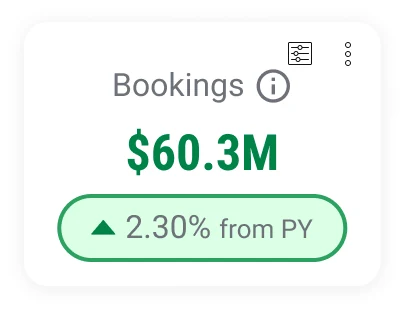
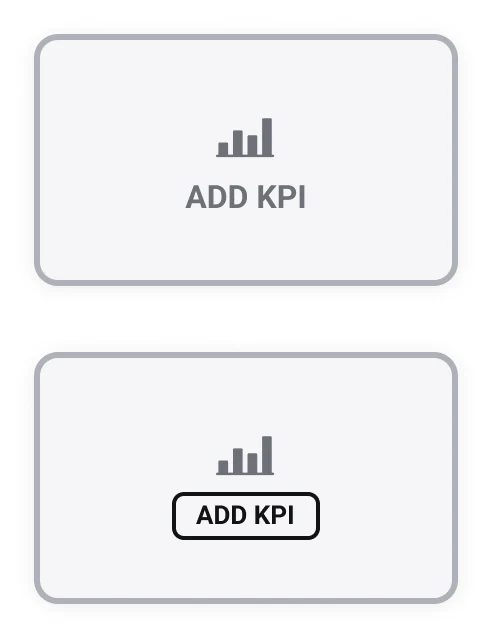
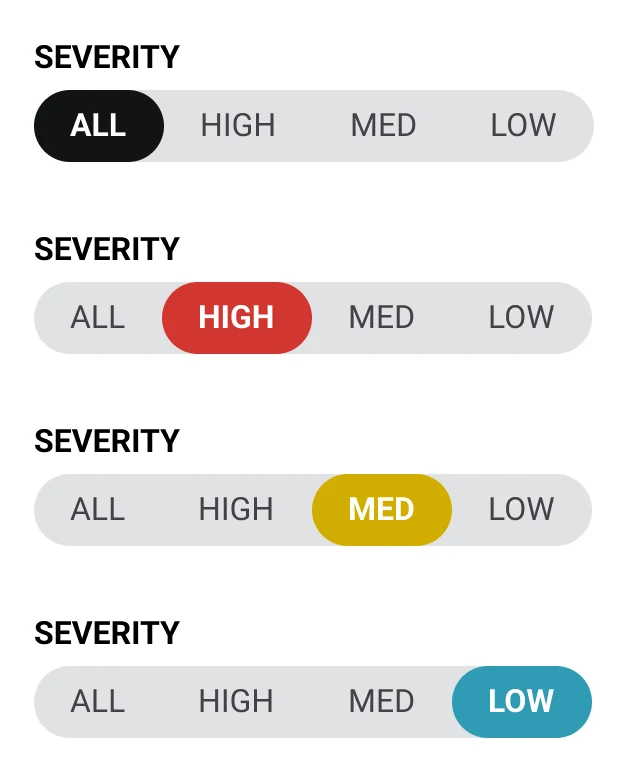
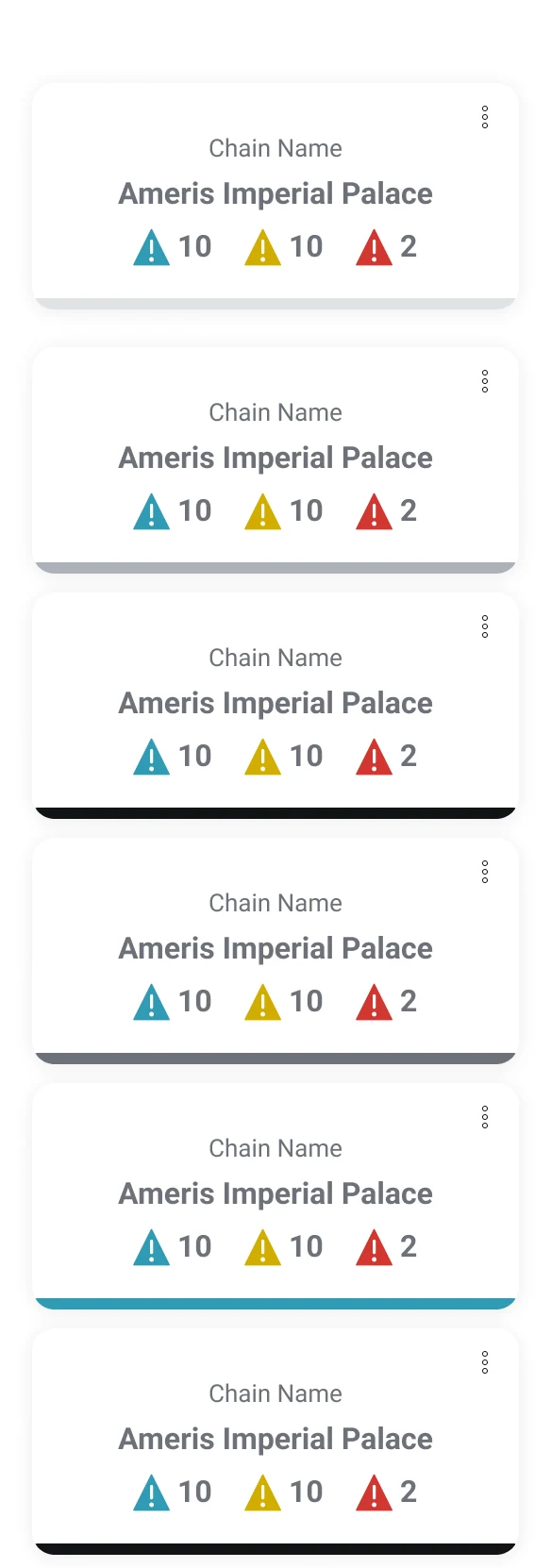
KPI tiles, alert tiles, a severity toggle and a time slider, each designed with its full set of states.
Go beyond Looker’s defaults
The call
A custom experience on top of Looker, with BigQuery doing the heavy lifting on hotel booking data.
The payoff
Sabre’s product, in Sabre’s design language, rather than a generic reporting embed.
One viewport, controls on demand
The call
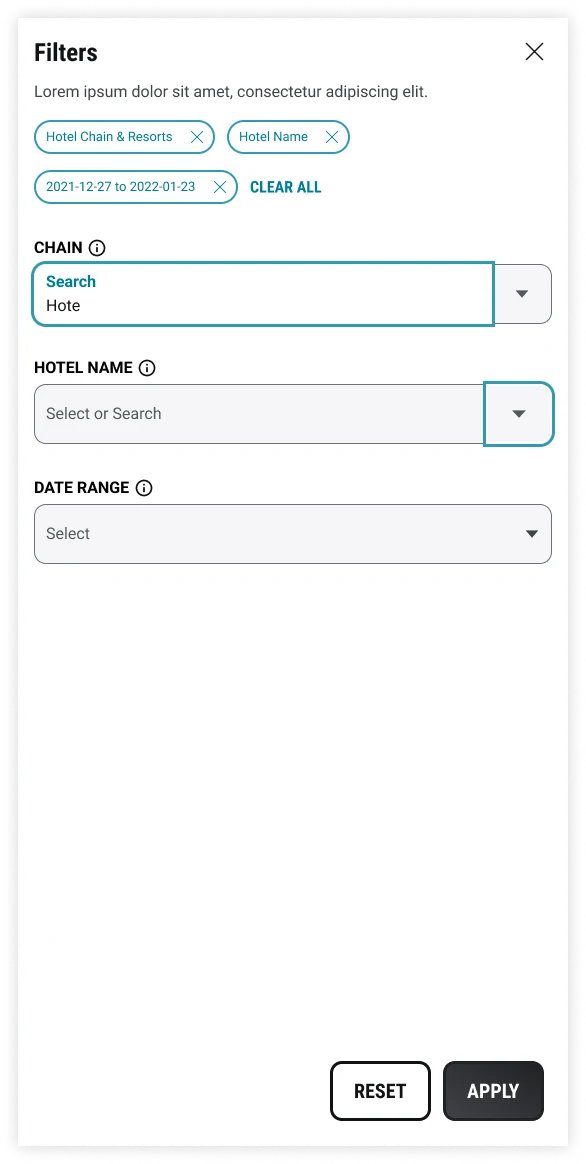
Consolidate what had been spread across several screens into one view of modules, with filters hidden until they’re needed.
The payoff
Designed to cut the time it takes to retrieve data and the visuals that go with it.
03
Designing Performance Studio
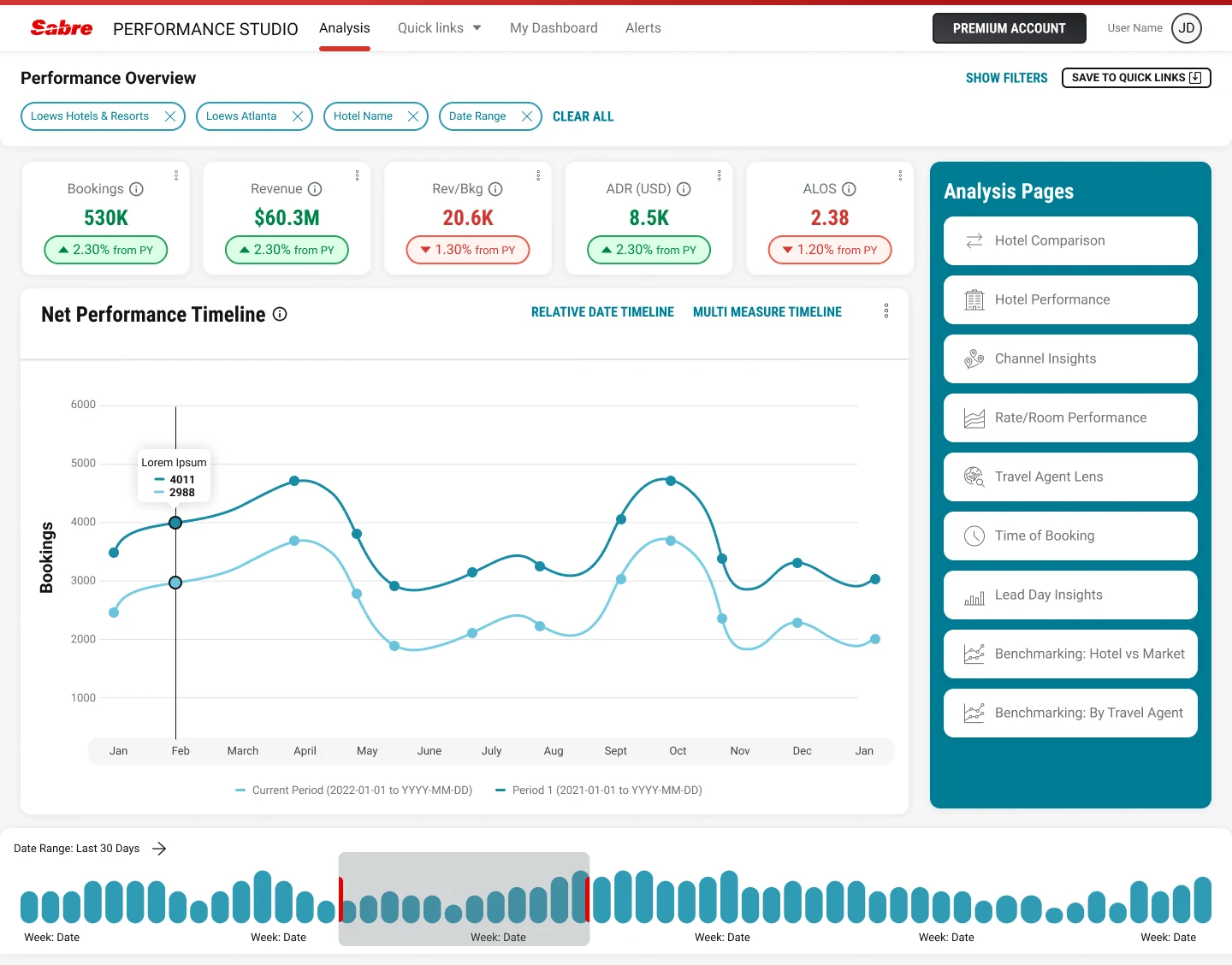
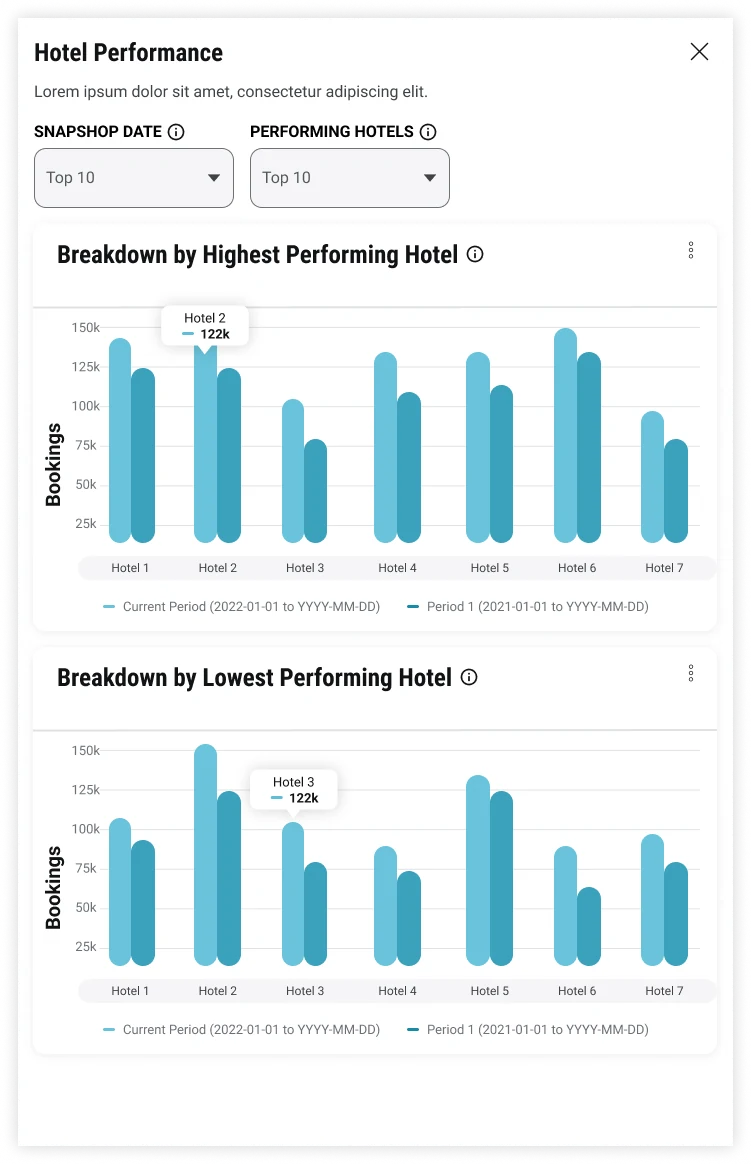
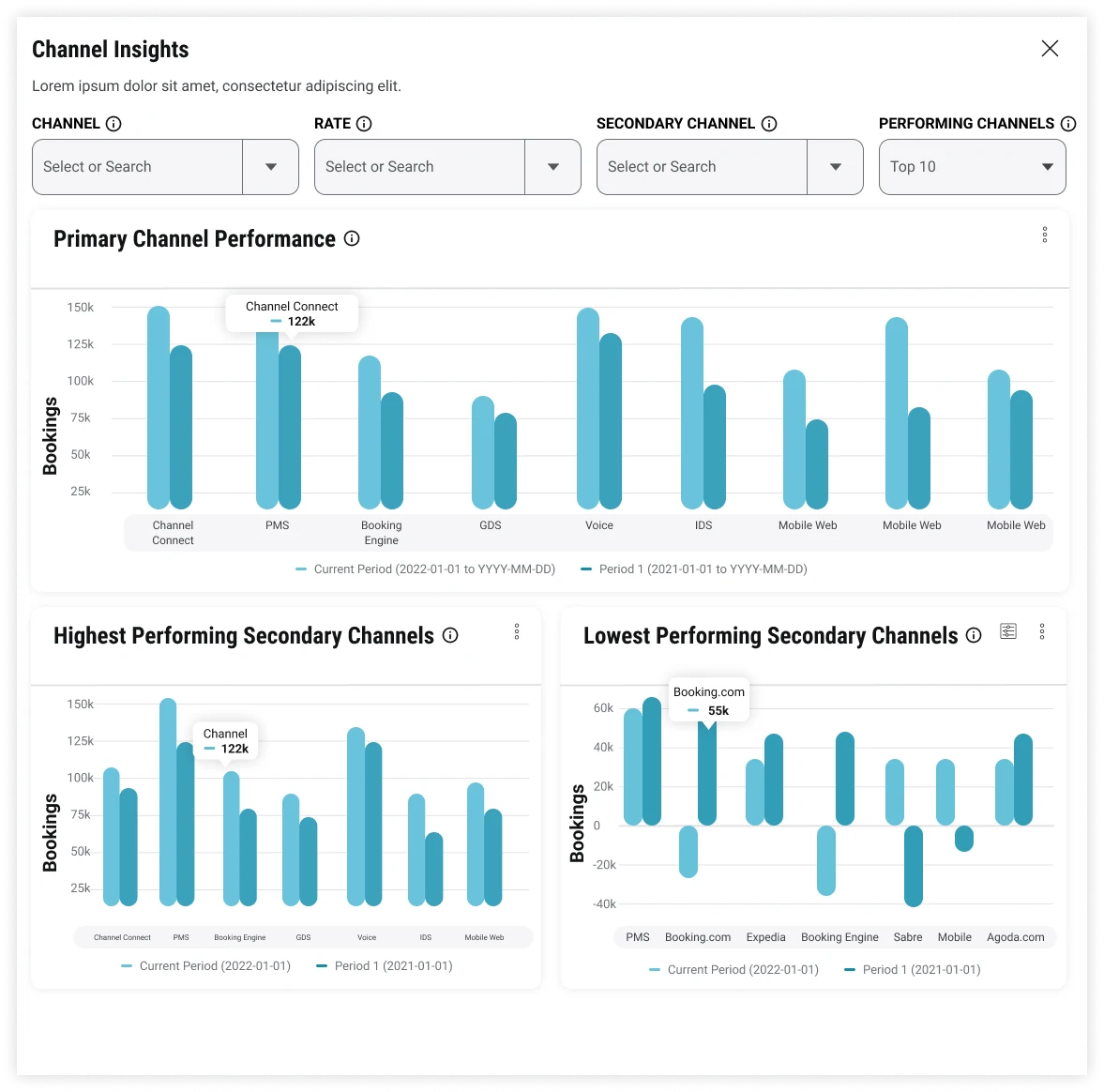
Three places to work: a dashboard to see what’s happening, analysis to understand why, and alerts to act on what needs fixing.
04
Built in Katana
Katana gave us the foundations: type, colour, spacing and core components. We extended it with local components for the dashboard, each designed with every state engineering would need — default, hover, focus and selected.

05
The team
Design worked alongside Sabre’s product team and Google, so every screen stayed grounded in what Looker and BigQuery could deliver. I led the project, with Alex working alongside me on design, and spent time on site in Dallas with Sabre’s team and Gavin Estey, our delivery director at the time. As with Google on Virginia Tech, we set up how we’d work together with Sabre’s product and engineering teams from the start, then worked as one team.
- Design leadAndrew Douglas
- Product designAlex Iannantuono
- DeliveryGavin Estey, Delivery Director
- Product & engineeringSabre’s in-house teams
06
Outcomes
One view, not several
What had been spread across several screens now lives in a single viewport.
Built in Katana
A product in Sabre’s newest design system, extended with reusable local components.
Built for adoption
Customizable tiles designed to drive adoption and retention.
07
Reflection
It was interesting being one of the first teams to adopt Sabre’s new design system. We had to expand on its data visuals without letting them interfere with the interface of Sabre’s regular software.
Performance Studio needed to feel like a continuation of Sabre’s desktop and other applications, so new users would recognise the design patterns they already knew.